

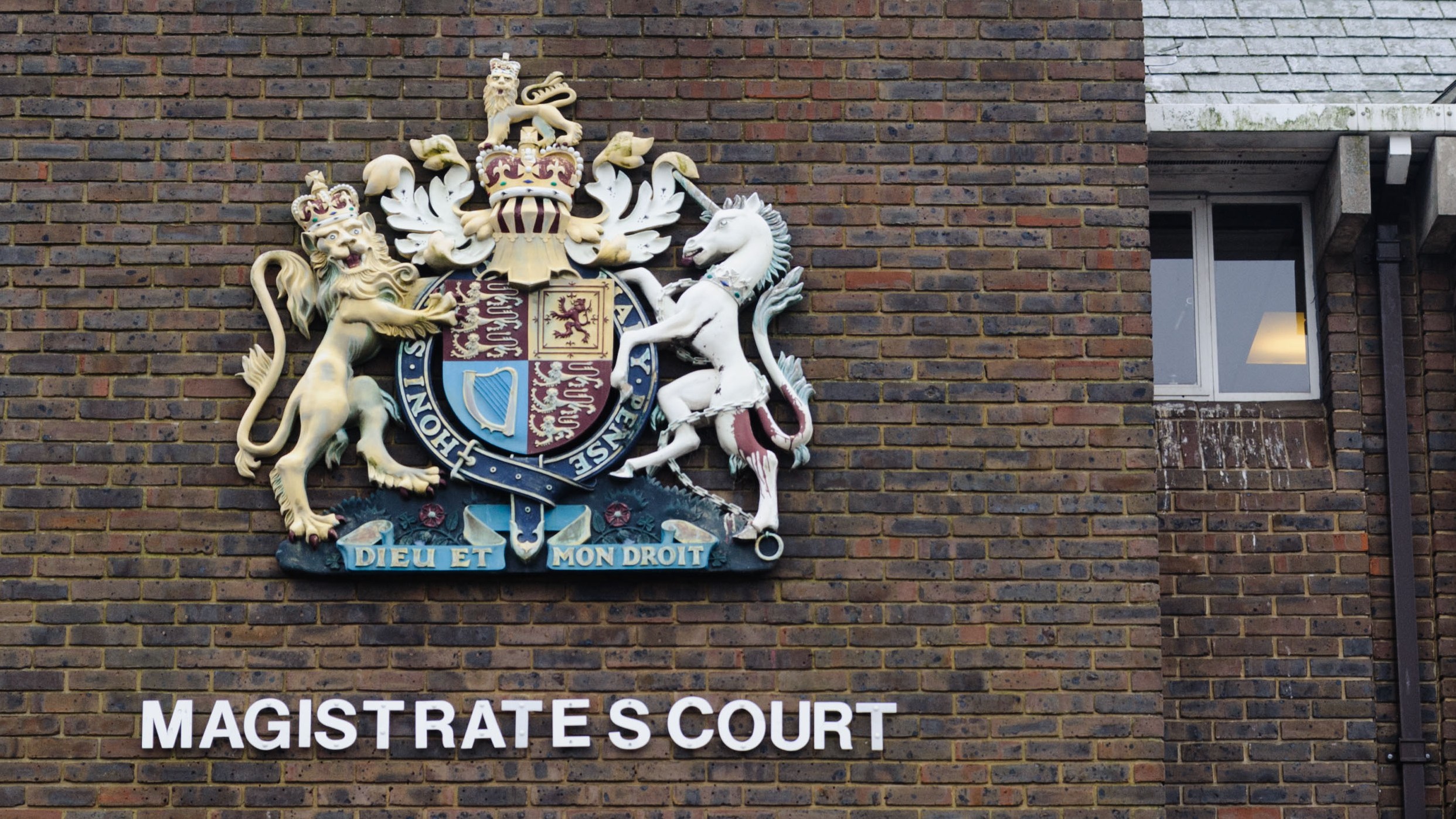
The Judicial Conduct Investigations Office (JCIO) has announced the removal of Simon Fawthrop JP from office. The Lord Chancellor acted with the agreement of the Lady Chief Justice after a disciplinary process found gross misconduct. The JCIO said he made public comments on a case, criticised the trial judge’s impartiality and integrity, referred to his status as a magistrate in one statement, and failed to notify his bench chair about his role in the matter. The disciplinary panel found his conduct undermined public confidence in the judiciary and the criminal justice system.
Magistrates are judicial office-holders rather than full-time judges, but they still carry the same basic duty to protect confidence in the justice system. Once someone sits in judgment on others, public comments about live cases become much more sensitive. The JCIO summary makes clear the panel did not view this as a small slip or a technical breach. It treated the behaviour as cumulative misconduct serious enough to justify removal.
The JCIO says Mr Fawthrop accepted he had commented publicly on the case. He argued the views were not his own, that he had not been directly involved in the case, and that he was acting as a councillor rather than as a magistrate but this was not accepted by the panel. The JCIO said his explanation showed a fundamental misunderstanding of the obligations of judicial office. In other words, he could not simply step in and out of the role when it suited him.
The judiciary depends on trust and courts do not function only because orders can be enforced. They function because the public is meant to believe the people deciding cases are neutral, disciplined and careful with their words. If a serving magistrate goes into public debate about a particular case and criticises the judge involved, people are likely whether if he talks like this about one case, how does he approach the rest?
Some readers will still think removal feels harsh and draw comparisons to politicians commenting publicly on cases or campaigners who do the same all the time. Journalists do it daily. Magistrates, though, are part of the justice system itself and so the standards are tighter. The JCIO notes the available sanctions run from formal advice through to removal from office. The fact this ended at the top of that scale tells you how the conduct was viewed.
The decision is a reminder of something old-fashioned and important. Judicial office carries restrictions which do not disappear once the hearing ends. Public life can tempt people into mixing roles, especially where politics, activism and local visibility overlap. The disciplinary outcome here shows how badly that can go if the lines are blurred. A magistrate does not stop being a magistrate just because he is speaking from a different platform.
Author: TOF
Leave a Reply