

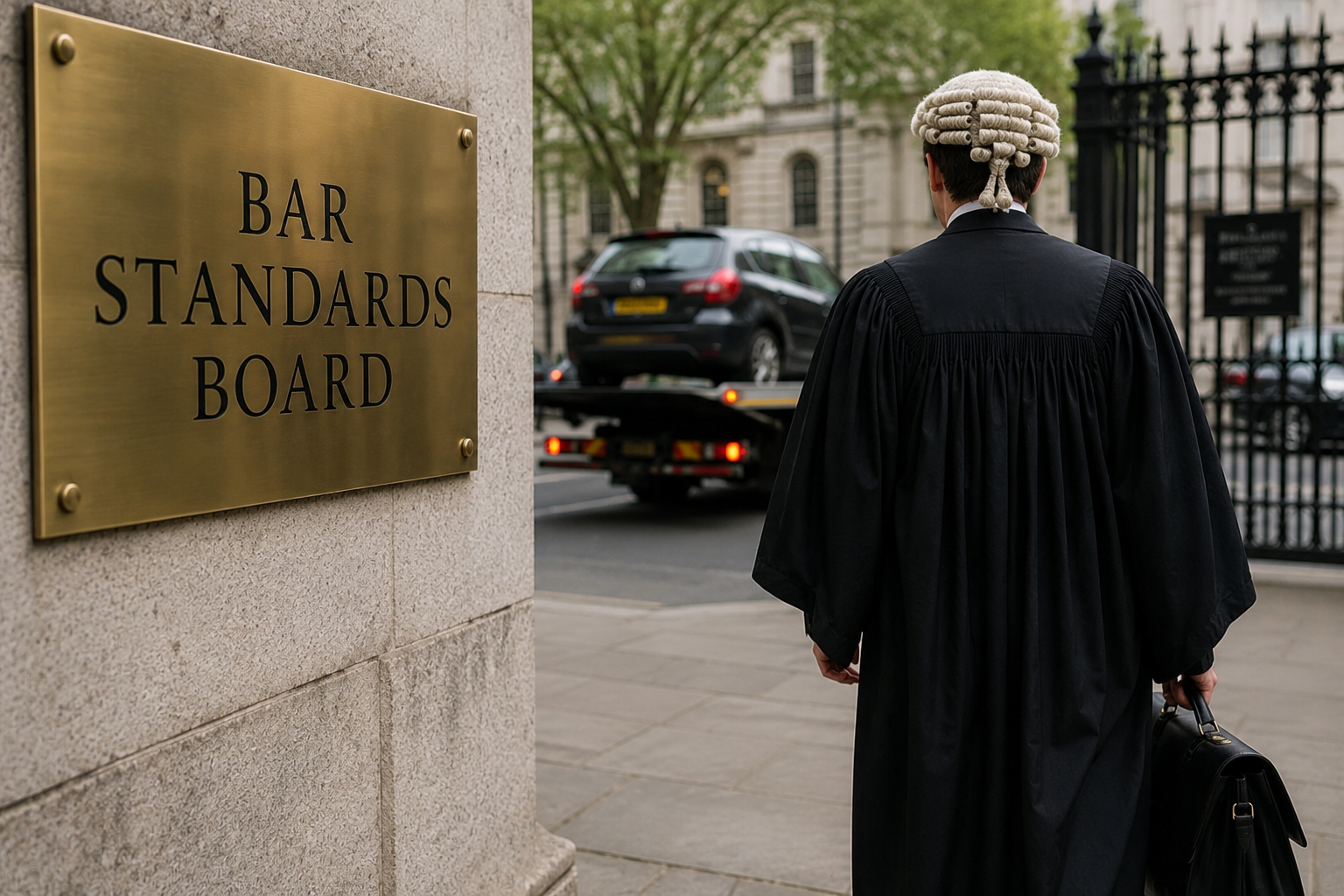
The Bar has delivered a useful reminder. Professional reputation does not clock off when the wig goes back in the box.
A disciplinary tribunal has disbarred Paul Wynell-Sutherland after convictions for drink driving, failing to stop for a police officer, driving while disqualified, and related failures to provide breath specimens.
Wynell-Sutherland was called to the Bar in 2000. The tribunal found the number and seriousness of the offences meant he had fallen far below the standard expected of a barrister. He also failed to report the convictions promptly to the Bar Standards Board.
Non-lawyers sometimes ask why motoring offences should end a legal career. The answer is not that barristers must be saints. That would empty the Inns before last orders. Barristers work inside a system built on trust – trust that they will obey court orders, deal honestly with regulators, and respect the law they ask everyone else to accept.
Drink driving is not a private weakness with a legal label tied round its neck. It puts other people at risk. Driving while disqualified adds something worse – defiance. Failing to stop for police adds even more. Failing to report the convictions to the regulator then turns bad conduct into a professional problem with its shoes on the table.
Regulators cannot supervise what barristers hide from them. A barrister who keeps convictions quiet is not merely late with paperwork. He is asking the profession to look the other way until closing time.
The tribunal also focused on public confidence. That phrase is often poured too freely, like warm lager at a bad reception. Here it has bite. A member of the public would be entitled to ask why someone repeatedly breaking court-backed driving restrictions should remain in a profession which depends on respect for legal authority.
The Bar cannot sell the rule of law in court and treat it as optional at the roadside.
For chambers and clerks, the case is a practical warning. Professional discipline does not begin only when conduct happens in practice. Criminal convictions, especially repeated convictions, can trigger duties to notify, assess risk and protect reputation. If a barrister delays reporting, the delay becomes part of the misconduct. Silence is rarely neutral. It tends to arrive later wearing heavier boots.
Repeated drink-related offending may point to deeper problems. A humane regulator can consider mitigation, treatment and health evidence. Support matters. So does public safety. The disciplinary system has to leave room for compassion without becoming the soft chair in the corner where hard facts go to sleep.
Both barristers and solicitors are now more likely to face sanction for conduct away from client work where that conduct damages trust in the profession. The old line between professional and private life has not vanished, but it has moved. The pub door is not a magic portal through which standards disappear.
There is a small cruelty in professional discipline. It turns private collapse public. But that is also why it works. Published decisions tell the public the profession still has standards. They tell other barristers the regulator expects prompt candour.
The Bar does not ask barristers to be perfect. It asks them not to treat the law as something served to other people.
That is a small rule. It turns out to be quite important.
Author: TOF
Leave a Reply