

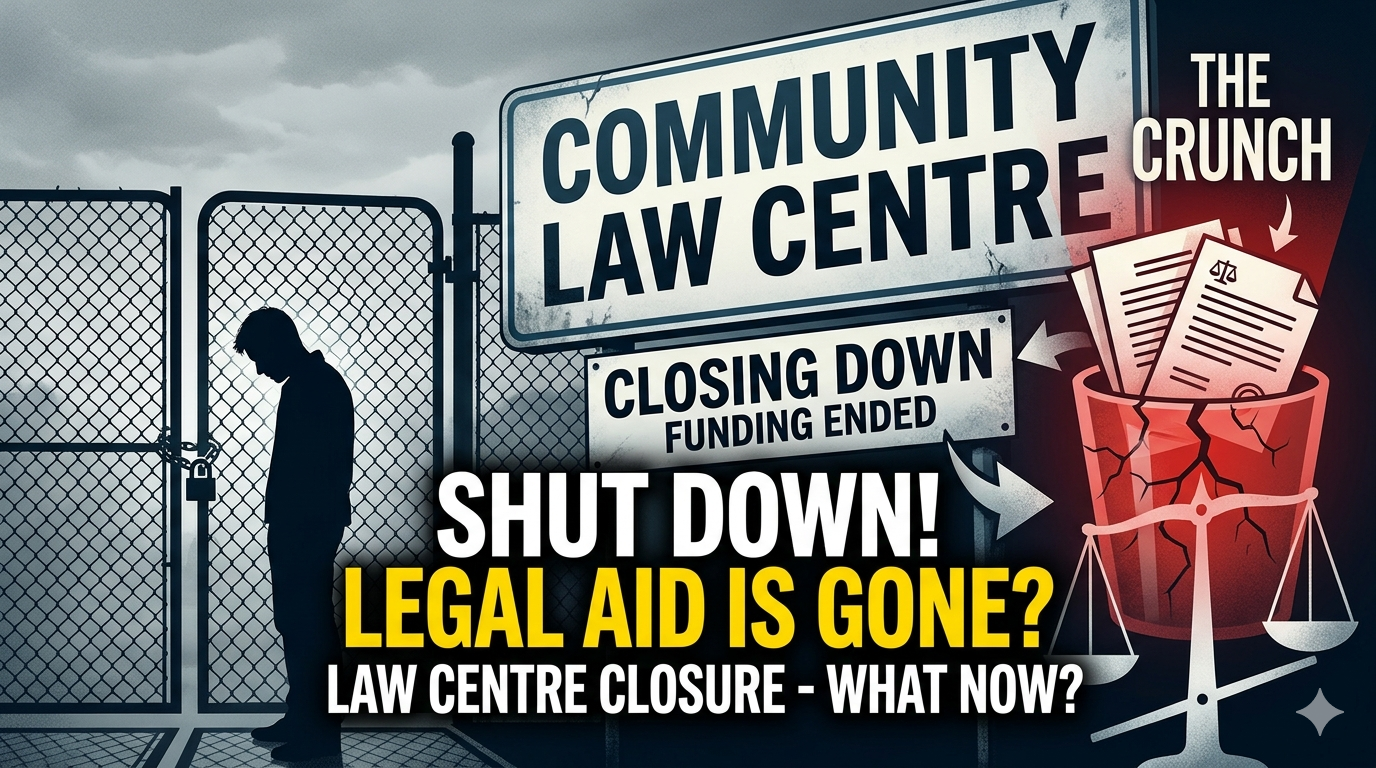
Hillingdon Law Centre law centre has been forced into temporary closure, giving the legal aid crisis a local postcode.
The closure, reported on 6 May, has been linked to a lack of funding and wider pressure on the legal aid model. Law centres are not ordinary high street firms. They are community legal advice providers, often helping people with housing, welfare benefits, immigration, employment and debt problems. Their clients tend to arrive late, stressed and without money to shop around.
Legal aid is public funding for legal help where people cannot afford advice and the issue is serious enough to qualify. In theory, it protects the rule of law by making rights usable. In practice, many areas have become advice deserts, with few providers able to take new cases because rates are low, administration is heavy and demand is high.
A temporary closure may sound less severe than a permanent shutdown. For clients, the difference can be academic if the need is urgent. A possession hearing, benefit appeal or immigration deadline does not wait politely for a funding model to recover. When a local advice provider closes its doors, people do not become less legally needy. They become less visible.
The access to justice problem is often discussed in national numbers. Provider capacity, contract areas, matter starts and remuneration rates all matter, but they can drain the human meaning from the issue. The human meaning is simple. A tenant may lose a home because no adviser was available. A disabled person may miss an appeal because the form was too hard. A family may face immigration consequences because advice arrived too late.
For solicitors in legal aid work, the pressure is professional as well as financial. They carry complex cases, vulnerable clients and strict contract rules for pay that often fails to reflect the work needed. Goodwill fills some gaps. It does not pay rent, train juniors or keep a service open forever.
The commercial legal market should also care. A justice system with shrinking early advice creates more litigants in person, more adjournments, poorer evidence and slower courts. Problems which could have been solved by timely advice reach crisis stage and cost the state more. Underfunded advice is not a saving. It is a deferral with interest.
The government has been collecting evidence on legal aid capacity and demand. That is welcome, but the sector has been surveyed often enough to recognise a familiar rhythm: data gathering, cautious response, more provider exits.
A law centre closure is not a footnote in local charity news. It is a signal that legal rights are becoming harder to reach in the places they are most needed.
For local authorities and courts, the loss of early advice often returns as pressure elsewhere. Poorly prepared litigants need more judicial time. Housing crises become homelessness duties. Welfare errors become debt and health problems. A closed advice desk rarely stays a closed advice desk for long.
For readers outside the profession, the practical point is direct. Legal rules shape ordinary money, homes, work and risk long before a case reaches trial. The strongest legal stories are often the ones where procedure, regulation and commercial pressure meet in public.
Author: TOF
Leave a Reply