

Primary source(s): Mrs Justice Joanna Smith’s speech to the Bond Solon Expert Witness Conference, 6 November 2026; Civil Justice Council, Use of AI for Preparing Court Documents: Final Report, October 2026.
Background: Mrs Justice Joanna Smith has urged experts to disclose AI use where it generates or influences the substance of their evidence, without waiting for proposed procedural changes. She co-chaired the CJC working group whose report recommends a specific expert declaration. The recommendation is not yet a rule. Experts’ duties of independence, objectivity, transparency and professional competence already apply.
The court instructs an expert because somebody needs an opinion worth relying on. A machine may help prepare it. The awkward question is how much of the opinion remains the expert’s own work.
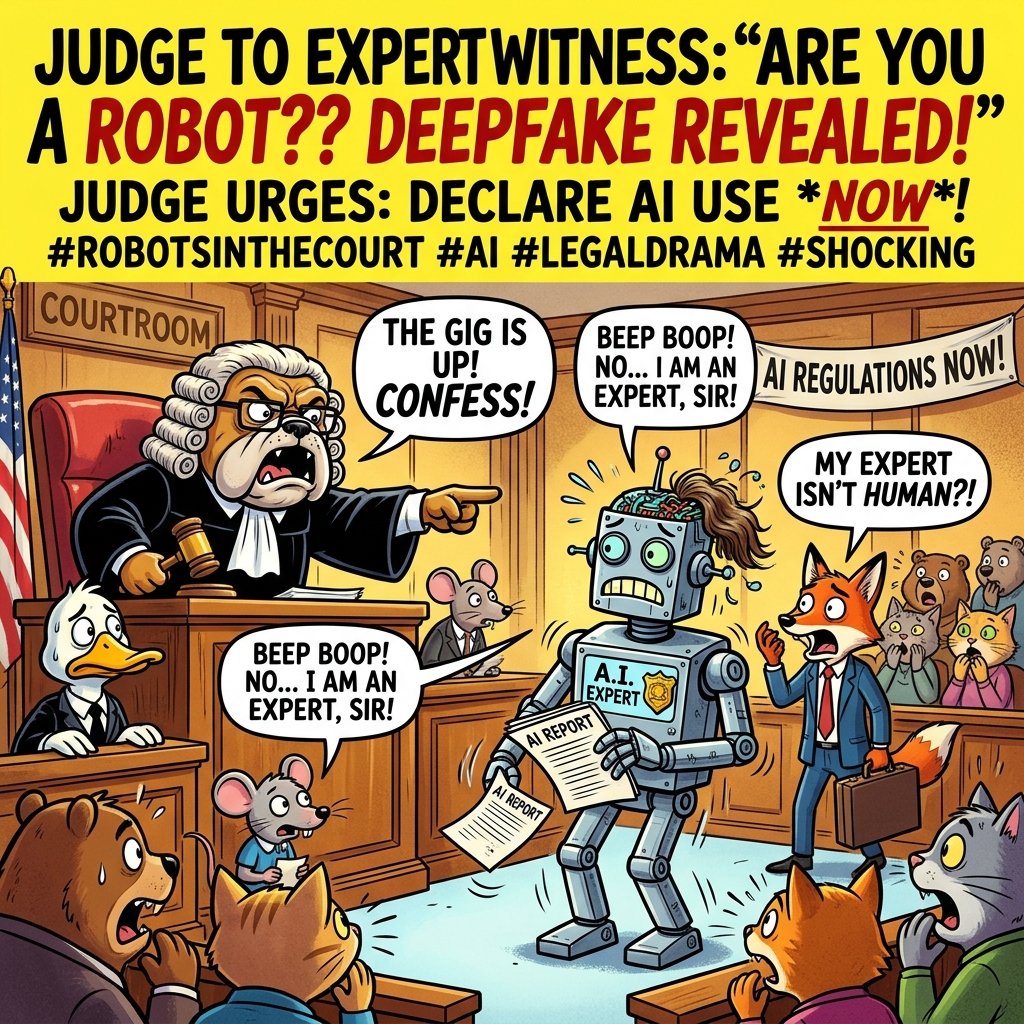
At the Bond Solon conference on 6 November, Mrs Justice Joanna Smith urged experts to be open about substantive AI use now. Her published speech treats transparency as part of credibility, not a courtesy to be postponed until the forms change.
The distinction is between using a tool and allowing it to shape the evidence. AI used in an expert’s methodology or substantive analysis comes within the proposed declaration. Merely describing the software as an assistant does not explain what it did.
The CJC recommends enough information to permit scrutiny: the methodology, why the use was appropriate and, exceptionally, the particular tool. A declaration that says only “AI was used” may be rather like an expert describing an experiment as “science happened”. Accurate, but not especially helpful.
The judge is not proposing a ban. Her speech recognises useful work processing information and identifying patterns. It also identifies the risks: invented sources, misunderstood context, inaccurate analysis and erosion of independent judgment. Productivity is an advantage only if the evidence survives checking.
An expert therefore needs to understand the tool’s limits, oversee its use and remain able to defend the resulting opinion. Fluent writing cannot replace those steps. The relevant question in court is not whether the report reads well, but whether its reasoning can be examined and supported.
There is presently no specific rule requiring the proposed declaration. Smith nevertheless warns that undisclosed substantive use may invite searching questions in cross-examination and criticism. Waiting for a mandatory box offers little comfort if the judge is already asking what happened.
The wider CJC recommendations distinguish expert opinion from factual witness evidence. Witnesses of fact would declare that AI had not generated or influenced the substantive content of their statements. Experts, by contrast, would explain substantive use. The distinction reflects different functions: reporting what a witness knows and offering a reasoned professional opinion.
The report does not recommend an additional declaration for lawyers’ written advocacy. Existing professional responsibility remains central. It also proposes a practice direction and accessible guidance for people conducting litigation without representation.
For instructing solicitors and experts, the immediate conversation should cover intended use, any restrictions, confidentiality and the means of checking results. The judge advises discussing these matters at the outset, even where the instructions say nothing about AI.
A tool can save work without owning the conclusion. The expert still has to explain how the conclusion was reached, and stand behind it.
Author: Thomas Greatbanks
Leave a Reply