

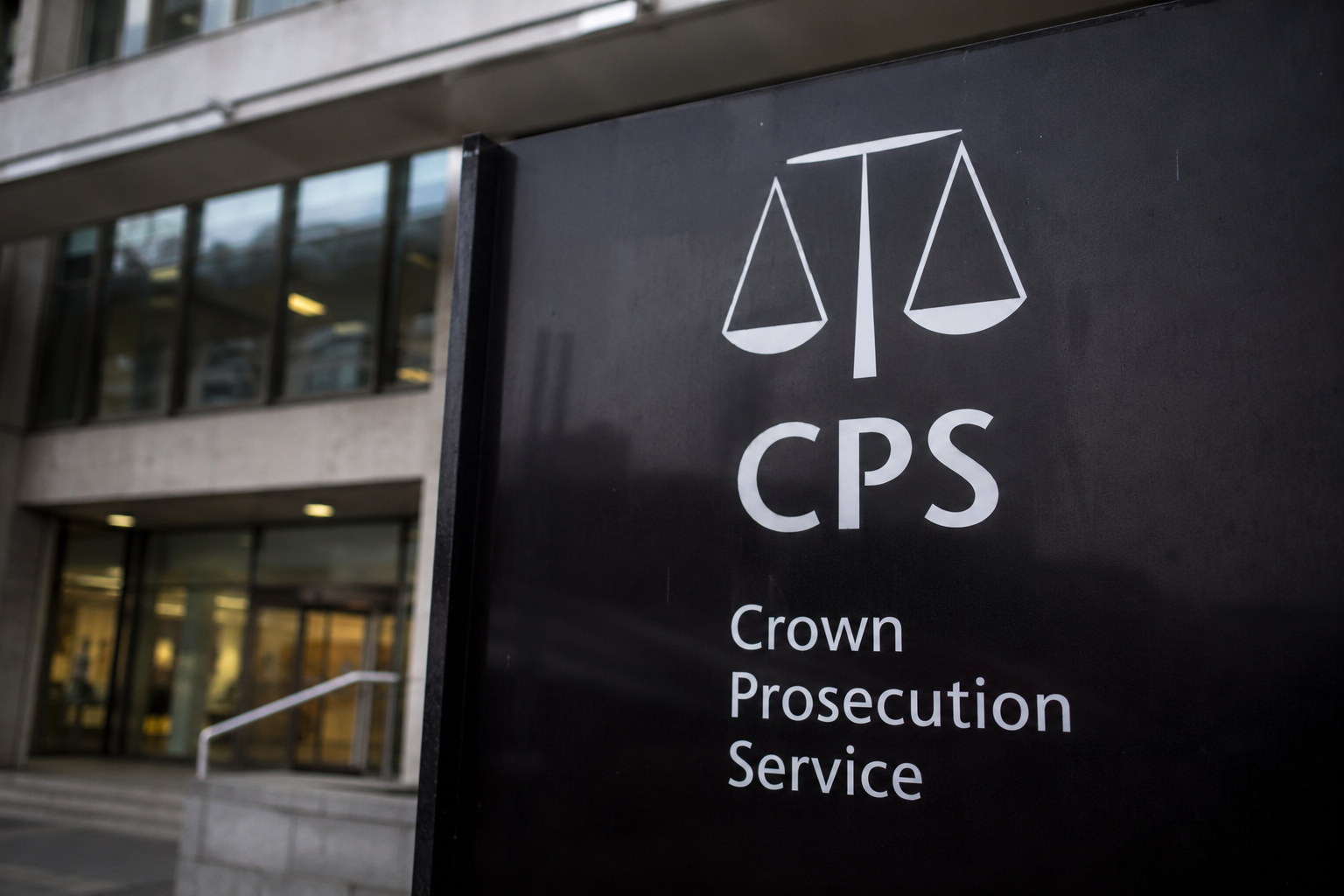
The Crown Prosecution Service has apologised after hallucinated AI cases reached the High Court, which is the legal equivalent of serving soup with a fork and then blaming the cutlery.
The episode, reported on 14 July, involved the High Court accepting two apologies from the CPS after false case references appeared in court documents. AI hallucination is the polite term for a machine inventing something with confidence. A fake case can look perfectly respectable until someone tries to find it.
If a lawyer puts a case before a court, the case must exist. It must say what the lawyer says it says. The court is not a search engine with a wig. Judges rely on advocates and public authorities to bring accurate law.
Prosecutors carry a special duty. They act for the public, not for a private client trying to win at all costs. In criminal and extradition work, mistakes can affect liberty, bail, reputation and state power. A hallucinated authority in that setting is not a funny footnote from the robot age. It is a warning flare.
The brutal reality is the CPS were attempting to prosecute members of the public using made up case law.
AI can help draft, summarise, search and structure. It cannot be allowed to wander into court documents without adult supervision. Every citation needs checking against a reliable database. Every quotation needs reading. Every proposition needs a human lawyer willing to put their name to it without crossing their fingers.
There is a management lesson too. Junior lawyers, paralegals and overworked teams may use AI because the system rewards speed and punishes delay. Organisations then discover, with theatrical surprise, that shortcuts were used in a building full of deadlines. The answer is training, policy and time. Mostly time. A verification policy with no time to verify is a poster in a burning kitchen.
For courts, the episode may accelerate demands for disclosure about AI use in litigation. Some judges will want parties to certify that authorities have been checked. Regulators will watch whether firms and public bodies can prove supervision.
The technology is new. The duty is ancient. Do not mislead the court.
A fake citation is not an AI problem once it lands in a pleading. It is a lawyer problem, wearing a plastic badge.
The reputational damage is instant because the error is easy to understand. Everyone knows a made-up authority is bad, even if they cannot pronounce extradition. For law firms watching from the side, there is a procurement lesson hiding inside the embarrassment. Buying AI is easy. Designing safe use is slower and less photogenic. The controls need to sit where the work happens: litigation teams, disclosure teams, public law teams, prosecution teams. A central policy in a PDF is not supervision. It is office wallpaper. The court will care less about which model was used than who checked the output before it became part of the record.
Author: Marcelo Williams
Leave a Reply